
The Fresh Cranberry Difference
Less than 5 percent of all cranberries in the world are sold as fresh fruit. The extra care and work needed to supply a “fresh” quality berry excludes most farmers from entering this difficult market.
The “Crane-Berry” cultivation of the wild cranberry began about 1816 on Cape Cod. Cranberries spread elsewhere and landed in Wisconsin in 1853. The major states that grow this fruit are Wisconsin, Massachusetts, Oregon, New Jersey and into Canada.
Long before the Pilgrims arrived, the Indians combined crushed cranberries with dried deer meat and melted fat to make pemmican – a convenience food that would keep for a long time. The Indian Medicine men also brewed cranberry poultices to draw out poison from arrow wounds. The Aloquins of Wisconsin call the fruit “atoqua”. Popularity grew for this tangy berry. As the Pilgrims began to settle and thrive, cranberries became a staple in their lives.
Our company has been growing fresh cranberries since our inception in 1907. Five generations later, you can still count on us to deliver the best and highest quality fresh cranberries on the market.
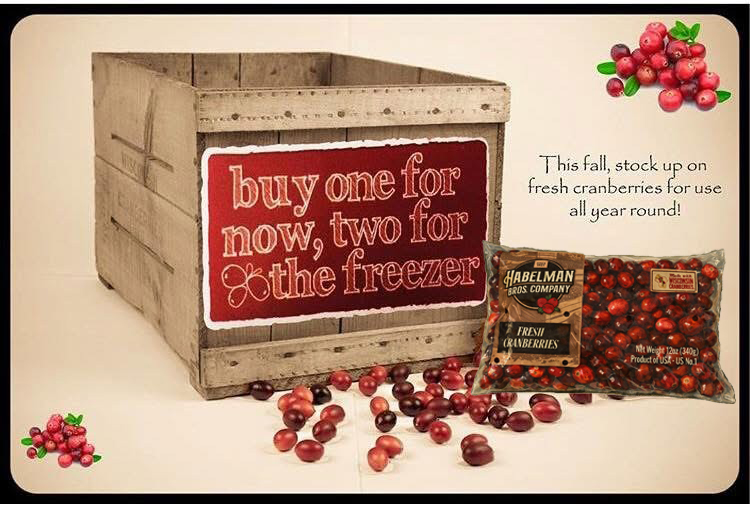
Fresh cranberries are a seasonal item! Did you know you can buy fresh cranberries during the season and throw them in the freezer to be used throughout the year? Looking for an extra healthy “punch” to your morning smoothie? Throw in a handful of frozen cranberries!
Harvesting Fresh Cranberries
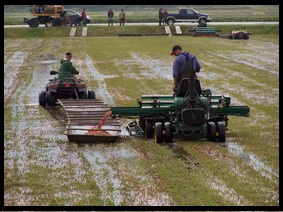
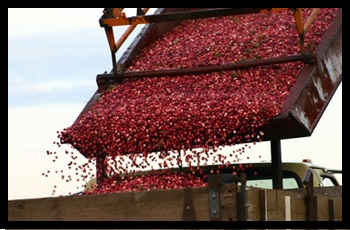
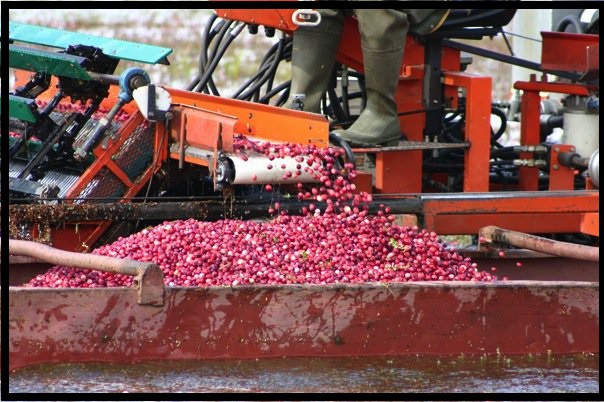
Because our focus is fresh cranberries, we must be careful with those little round powerhouses. Our harvest crews use a special raker, that gently picks the fruit off the vine. Due to the 4 air pockets within the cranberry, it floats to the surface of the water where it is then transferred to the harvest boat. Once the boats are full, the excavator operators empty the boats into the berry trucks, making sure to “shake it” and get the very last drop. Takes many hands to harvest fruit in the way and we couldn’t do it without all of our amazing employees.
Video to the Left: A picker gently knocks the berries off the vine, they are then put into boats. Below video: the boats are dumped into trucks then taken to the shed to run through the dryers.